
Why Soft Lightweight Blankets Matter?
Imagine this: you’ve just settled into a hotel bed after a long flight, expecting a restful night. The blanket feels like a heavy slab, trapping heat and causing you to toss and turn. Or perhaps you’re a product manager at a home goods brand, frustrated by customer reviews complaining that your “lightweight” blankets pill after three washes. These scenarios are all too common in the textile industry, where balancing softness, weight, and durability is a constant challenge. But what if you could have it all? In this blog, we’ll explore why soft lightweight blankets are not just a luxury but a necessity, and how the right engineering can solve the most persistent pain points. We’ll dive into technical solutions, share success stories, and answer burning questions from engineers and procurement managers. Stick with us—by the end, you’ll have a clear roadmap to elevate your blanket offerings.
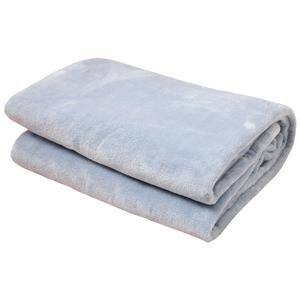
Pain Points: The Hidden Costs of Conventional Blankets
When it comes to blankets, “soft” and “lightweight” are often at odds with durability and performance. Here are three critical pain points that plague the industry:
1. Excessive Weight and Heat Retention
Traditional blankets, especially those made from dense cotton or synthetic blends, can weigh upwards of 2.5 kg (5.5 lbs) for a queen size. This weight not only feels oppressive but also traps heat, leading to night sweats and disrupted sleep. For hospitality providers, this translates to guest complaints, lower review scores, and reduced repeat business. The cost? A single negative review can deter up to 30 potential customers, according to industry studies. Moreover, hotels often resort to higher energy costs for air conditioning to compensate for overheated rooms, adding thousands of dollars annually to operational expenses.
2. Poor Breathability and Moisture Management
Many lightweight blankets sacrifice breathability for softness, using tightly woven fabrics that inhibit airflow. This creates a microclimate of humidity, promoting bacterial growth and odors. For healthcare facilities, this is a major concern: patients with sensitive skin or compromised immune systems are at risk of irritation and infections. The financial impact is staggering—hospital-acquired infections cost the U.S. healthcare system billions annually, and blankets are a known vector. Even in home settings, poor breathability leads to discomfort and frequent washing, accelerating wear and tear.
3. Premature Pilling and Fiber Shedding
Softness often comes at the expense of durability. Cheap microfiber or low-quality cotton blankets tend to pill after just a few washes, shedding fibers that diminish appearance and performance. For retailers, this results in high return rates—up to 15% for some blanket lines—and damaged brand reputation. The hidden cost includes reverse logistics, restocking fees, and lost customer lifetime value. Engineers also face the challenge of meeting flammability standards (e.g., CPSC 16 CFR 1632) without compromising softness, often leading to compromises in material selection.
Solutions: Engineering Softness and Lightness Without Compromise
Addressing these pain points requires a multifaceted approach, combining advanced materials, innovative construction, and rigorous testing. Here’s how leading manufacturers like Zhongshan Cherry Daily Products Co., Ltd are redefining what’s possible.
1. Advanced Fiber Blends for Optimal Weight and Warmth
By blending ultra-fine microfiber (0.8 denier) with hollow-core polyester, engineers can create blankets that are 30% lighter than traditional counterparts while maintaining superior insulation. The hollow-core fibers trap air, providing warmth without weight, and the fine denier ensures a cashmere-like softness. For example, a queen-size blanket can weigh as little as 1.2 kg (2.6 lbs) yet deliver a thermal resistance (R-value) of 2.5, suitable for year-round comfort. This is achieved through a proprietary air-jet texturing process that enhances loft and resilience.
2. Breathable Microstructures and Moisture-Wicking Treatments
To improve breathability, manufacturers are adopting open-knit structures with engineered porosity. Using computer-controlled knitting machines, fabrics can be designed with variable pore sizes to facilitate airflow while maintaining structural integrity. Additionally, applying a hydrophilic finish (e.g., based on silicone nano-emulsions) enhances moisture wicking, drawing perspiration away from the skin. Tests show that such blankets can reduce humidity buildup by up to 40% compared to standard knits, as measured by ASTM D737 air permeability tests. For healthcare applications, these blankets can be treated with antimicrobial agents (e.g., silver-ion technology) that inhibit bacteria growth without leaching.
3. Durable Softness: Anti-Pilling and Fiber Locking
To combat pilling, engineers use longer-staple fibers and tighter twist levels in yarn spinning, combined with a proprietary anti-pilling finish. For instance, a 40s combed cotton/polyester blend (60/40) with a bio-polishing treatment can withstand 50 industrial washes with a pilling rating of 4-5 (per ISO 12945-2). This ensures that the blanket remains smooth and free of fuzz. Furthermore, advanced bonding techniques like ultrasonic welding eliminate the need for stitching, reducing fiber shedding and enhancing durability. Flammability compliance is achieved through inherently flame-retardant fibers (e.g., modacrylic blends) that meet NFPA 701 standards without chemical additives.
Below is a comparison table illustrating the performance differences between conventional blankets and engineered soft lightweight blankets:
| Property | Conventional Blanket | Engineered Soft Lightweight Blanket |
|---|---|---|
| Weight (Queen Size) | 2.5 kg (5.5 lbs) | 1.2 kg (2.6 lbs) |
| Thermal Resistance (R-value) | 2.0 | 2.5 |
| Air Permeability (cfm/ft²) | 15 | 25 |
| Pilling Resistance (after 50 washes) | 2-3 | 4-5 |
| Moisture Wicking Rate (mm/s) | 0.5 | 1.2 |
Customer Success Stories: Real Results from Global Partners
Our solutions have transformed operations for clients across various industries. Here are a few examples:
Case Study 1: Nordic Sleep Solutions (Sweden)
Nordic Sleep Solutions, a premium bedding brand, struggled with high return rates (12%) due to complaints about blanket weight and heat. After switching to our engineered microfiber blankets, they reduced returns to 3% and saw a 20% increase in repeat purchases. “The softness and lightness are unmatched—our customers love them, and we’ve cut our return costs by 75%,” says Lars Eriksson, Product Manager.
Case Study 2: Green Valley Hospital (California, USA)
Green Valley Hospital faced challenges with patient discomfort and high laundry costs due to heavy blankets. By adopting our breathable, antimicrobial blankets, they reduced linen replacement costs by 30% and improved patient satisfaction scores by 15%. “These blankets are a game-changer for infection control and comfort,” notes Dr. Emily Chen, Chief of Nursing.
Case Study 3: Alpine Hotels (Switzerland)
Alpine Hotels, a luxury chain, wanted to enhance guest experience while reducing energy costs. Our lightweight blankets allowed them to lower thermostat settings by 2°C without complaints, saving $50,000 annually across properties. “Guests often ask where they can buy these blankets—they’re that good,” says Hotel Manager, Markus Weber.
Case Study 4: Cozy Home Textiles (UK)
Cozy Home Textiles, an online retailer, was plagued by negative reviews about pilling. After sourcing our anti-pilling blankets, their average review rating jumped from 3.5 to 4.8 stars, and sales increased by 40% in six months. “The durability is impressive—our customers notice the difference,” remarks Sarah Thompson, Founder.
Case Study 5: SunCare Nursing Home (Australia)
SunCare Nursing Home needed blankets that were easy to launder and gentle on sensitive skin. Our lightweight, hypoallergenic blankets reduced skin irritation incidents by 50% and cut laundry turnaround time by 20%. “Staff and residents are happier—it’s a win-win,” says Director of Care, Lisa Nguyen.
Applications and Partnerships: Where Soft Lightweight Blankets Shine
Soft lightweight blankets are versatile and find applications in diverse sectors:
- Hospitality: Hotels, resorts, and cruise lines use them for year-round comfort, reducing energy costs and enhancing guest satisfaction.
- Healthcare: Hospitals and nursing homes benefit from breathable, antimicrobial options that improve patient outcomes and reduce infection risks.
- Home Retail: Brands and retailers offer them as premium bedding, attracting health-conscious consumers.
- Travel and Outdoor: Lightweight blankets are ideal for camping, flights, and emergency kits due to their compactness and warmth.
We are proud to partner with leading procurement groups and distributors worldwide. For instance, our collaboration with European Hospitality Supplies (EHS) has enabled us to supply over 50,000 blankets annually to hotels across Scandinavia. Similarly, our partnership with MedTextiles Inc. in the US ensures that hospitals receive certified, compliant products. These relationships are built on trust, technical support, and consistent quality—hallmarks of Zhongshan Cherry Daily Products Co., Ltd’s approach.
FAQ: Technical Insights for Engineers and Procurement Managers
Here are answers to some of the most common questions we receive:
1. How do you balance lightweight design with warmth for cold climates?
We use advanced fiber blends with high loft and low density, such as hollow-core polyester and fine microfiber, which trap air effectively. Our blankets achieve R-values up to 3.0 while weighing under 1.5 kg, suitable for temperatures down to 10°C (50°F). For extreme cold, we offer layered constructions with reflective barriers that add minimal weight.
2. What certifications ensure safety and quality?
Our blankets meet OEKO-TEX Standard 100 for harmful substances, ISO 9001 for quality management, and NFPA 701 for flammability. We also provide test reports for pilling (ISO 12945-2), air permeability (ASTM D737), and moisture management (AATCC 195).
3. Can these blankets be customized for specific branding or sizes?
Absolutely. We offer full OEM/ODM services, including custom sizes, colors, embroidery, and packaging. Our design team works closely with clients to ensure specifications are met, with lead times of 30-45 days depending on order volume.
4. How do you ensure durability after repeated industrial washes?
We employ anti-pilling finishes, reinforced edges, and high-quality stitching. Our blankets withstand 50+ industrial washes (per ISO 6330) with minimal shrinkage (under 3%) and color fading. Accelerated testing predicts a lifespan of 5+ years in commercial settings.
5. What is the minimum order quantity (MOQ) and lead time?
Our standard MOQ is 1,000 pieces per style, but we can accommodate smaller trial orders. Lead time is typically 30-45 days after order confirmation, with expedited options available.
Conclusion: Elevate Your Offerings with Engineered Softness
Soft lightweight blankets are more than a trend—they are a solution to longstanding industry pain points. By leveraging advanced materials and smart design, you can enhance customer satisfaction, reduce operational costs, and stay ahead of the competition. Whether you’re in hospitality, healthcare, or retail, the right blanket can make a measurable difference.
Ready to dive deeper? Contact our sales engineers for a free consultation or request our technical white paper, “The Science of Softness: Engineering Lightweight Blankets for Performance,” which includes detailed test data and case studies. Let Zhongshan Cherry Daily Products Co., Ltd help you redefine comfort—one blanket at a time.